The Wake-Up Call Nobody Wanted
When factory floors went silent and shipping containers sat stranded in 2020, executives discovered an uncomfortable truth about their supply chains. The pandemic didn’t just disrupt business operations. It exposed the fragility of a global system built on a single premise: cheapest wins.
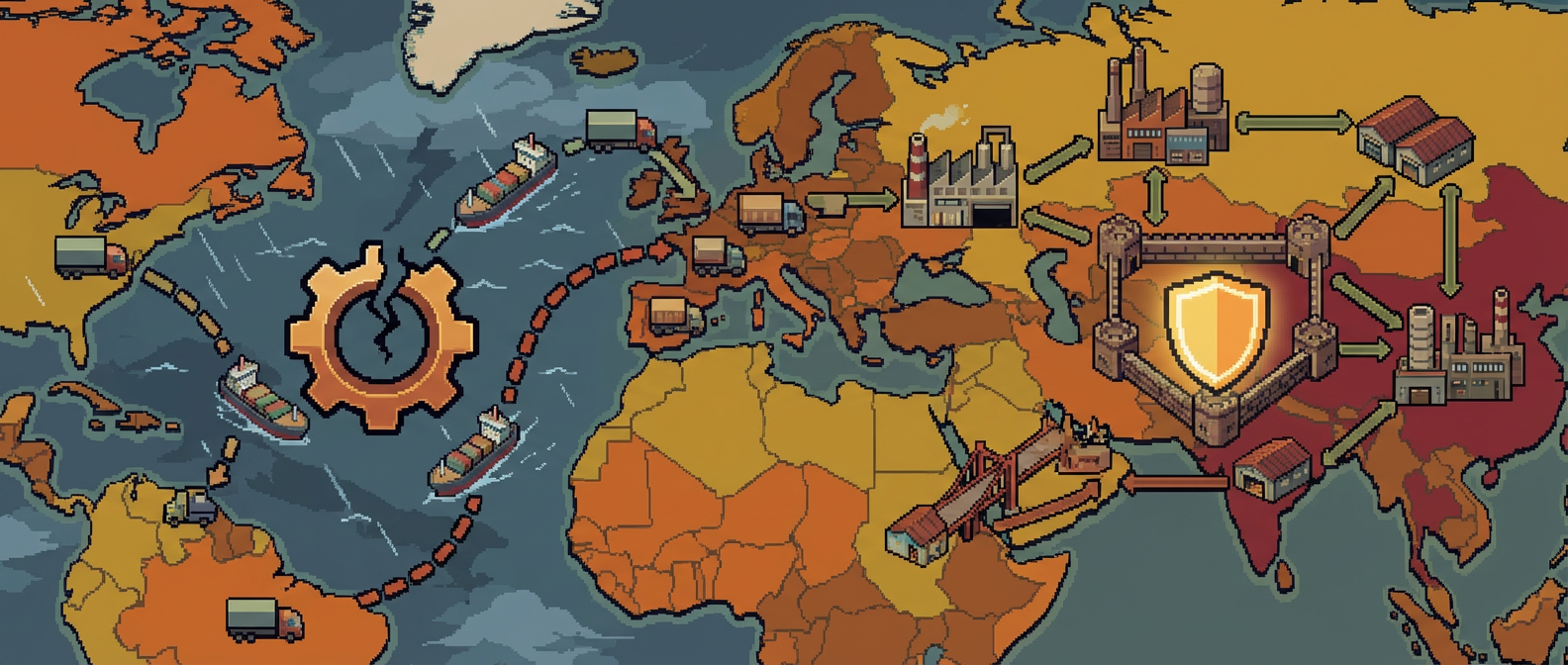
The pharmaceutical industry felt this pain directly. Nearly 80 percent of active pharmaceutical ingredients came from Asian suppliers, creating a concentration of risk that companies barely understood until it was too late. When borders closed and production halted, the consequences hit hospitals and medicine cabinets worldwide. Suddenly, lifesaving medications became scarce.
But here’s what’s interesting: the real story isn’t about the crisis itself. It’s about the quiet revolution that followed. While headlines focused on shortages and delays, smart companies started rebuilding their supply networks with a completely different mindset.
From Cost-Cutting to Risk Management
The old playbook was brutally simple: find the cheapest supplier, no matter where they are, and squeeze every penny out of efficiency. This approach worked beautifully for decades. Prices dropped. Margins jumped. It also created supply chains that zigzagged across oceans with zero backup plans.
Today’s procurement teams are waking up to reality. They’re embracing concepts like “friend-shoring” and “ally-shoring,” choosing suppliers in stable, friendly countries over rock-bottom prices. This isn’t just a tweak in strategy. It’s a complete rethink of what value actually means.
Look at Mexico’s rise as America’s top import source in 2023. For the first time in decades, Mexican goods beat Chinese imports to the United States. This wasn’t because Mexican manufacturers suddenly got cheaper than their Chinese competitors. American companies made a deliberate choice: proximity, reliability, and political stability matter more than saving a few percentage points on costs.
The Technology Stack That Makes It Work
While executives debate where to source materials, tech teams are building the backbone that makes resilient supply chains actually function. Digital supply chain twins are becoming essential tools. These virtual copies of physical operations let companies run what-if scenarios and test responses before disasters strike.
Early adopters are seeing real results. Companies using these digital twins cut their disruption response time by up to 40 percent. That’s the difference between riding out a storm and getting crushed by it. According to McKinsey supply chain insights, this technology helps organizations spot weak points and reroute shipments in real-time.
The semiconductor industry shows how technology and policy can reshape entire sectors. The CHIPS Act has triggered over $100 billion in manufacturing investments across the United States and European Union. These aren’t just factories. They’re strategic insurance policies against depending too heavily on any single region for critical components.
The Hidden Costs of Doing Business Right
Building resilient supply chains costs real money. ESG auditing requirements are piling complexity and expenses onto supplier relationships. Companies now have to verify labor practices, environmental standards, and governance throughout their entire supplier network. This due diligence increases procurement costs, but it dramatically cuts the risk of reputation disasters and regulatory headaches.
Smart companies are finding that these “extra” costs often pay for themselves. Better supplier relationships mean fewer nasty surprises. When you actually know your suppliers, you can solve problems together before they explode into crises.
The financial sector learned this the hard way after 2008. Banks that invested heavily in risk management and compliance were ready for the next round of market chaos. Supply chain resilience follows the same logic: spend money upfront on backup plans and monitoring, gain competitive advantages when everything goes sideways.
The Competitive Advantage Nobody Talks About
While competitors chase shiny new marketing tactics or breakthrough technologies, companies building rock-solid supply chains are creating moats that actually matter. Operational excellence doesn’t generate flashy press releases, but it generates profits and customer loyalty when the world falls apart.
The smartest organizations treat supply chain resilience as core to their business, not just a necessary headache. They’re investing in supplier relationships, spreading manufacturing across multiple regions, and building internal teams that can handle complex logistics puzzles. These moves rarely make headlines, but they create advantages that last.
According to Supply Chain Dive news, companies with resilient supply chains consistently beat their peers in both good times and bad times. The math is straightforward: when your operations can adapt to changing conditions, you can keep serving customers while competitors are stuck dealing with broken processes.
The next economic disruption will happen. Whether it comes from geopolitical mess, natural disasters, or technological shifts, companies with resilient supply chains will be ready to capitalize. Those still chasing the cheapest option will be scrambling to catch up. The trade-off between short-term savings and long-term stability has never been more obvious.
What does your organization’s supply chain strategy say about its real priorities? Share your experiences with nearshoring, supplier diversification, or digital supply chain tools in the comments below.