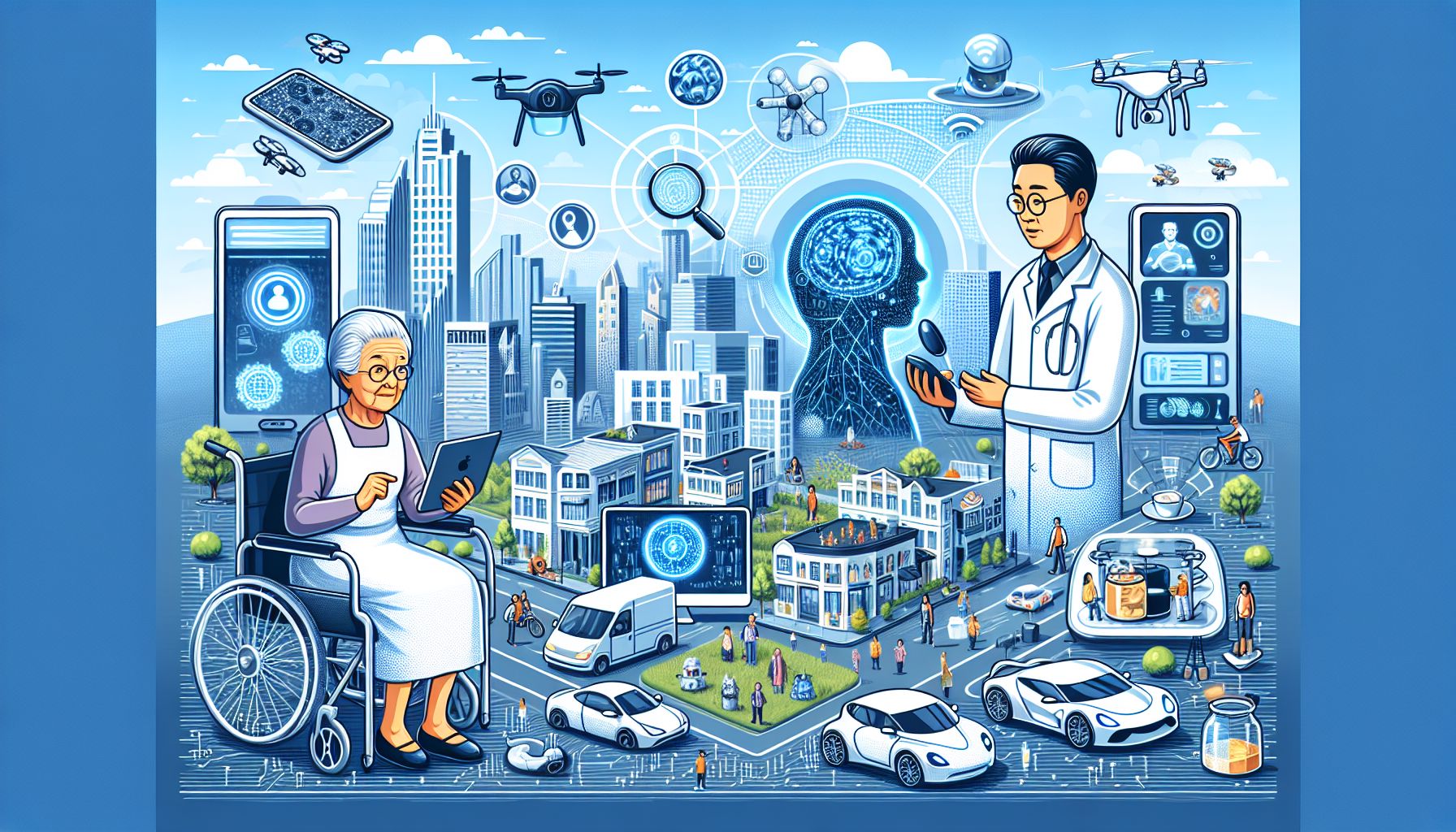
Artificial Intelligence has become the tech world’s favorite buzzword, and honestly, it’s earned that status. The pace of AI development over the past few years has been nothing short of incredible. Let’s take a closer look at how AI is advancing so quickly and what this actually means for how we live and work.
What is Artificial Intelligence?
Artificial Intelligence (AI) is intelligence that machines display, as opposed to the natural intelligence humans and animals show. It’s about creating machines and software that can copy human intelligence and get better over time by learning from mistakes, adapting to new information, and handling tasks that normally require human thinking.
AI got its official start in the 1950s, but for decades it didn’t do much because computers weren’t powerful enough and the technology was expensive. That changed in the 21st century. Now AI isn’t just possible, it’s woven into our daily lives in ways we probably don’t even notice.
How AI is Changing Everything
AI has moved way beyond the sci-fi movies. Speech recognition, image recognition, natural language processing, self-driving cars – these aren’t futuristic concepts anymore. AI has spread across industries like healthcare, finance, and retail. It’s also tackling bigger problems like climate change, social inequality, education, and helping people live longer.
In healthcare, AI makes diagnosis and disease prediction more accurate. It’s driving breakthroughs in personalized medicine, drug development, and genetic analysis. Doctors now use machine learning algorithms to predict how patients will respond to treatment and customize care in real-time.
The finance sector uses AI algorithms for spotting patterns, preventing fraud, and executing high-speed trades. Robo-advisors are changing wealth management, and chatbots handle customer service more smoothly and efficiently.
The retail industry relies on AI for managing inventory, logistics, targeted marketing, and complex decision-making. Most online shopping sites use recommendation engines with machine learning algorithms that track what you buy and suggest products you might want.
For tackling climate change, AI has sped up the discovery of new materials that can pull carbon from the atmosphere. AI prediction models give more accurate climate forecasts to help policymakers make better decisions.
AI is even getting into social issues, with algorithms that help spot fake news, hate speech, and societal bias. In education, AI-powered learning apps offer personalized experiences that adapt to each student’s pace and learning style.
Finally, longevity research is being transformed by AI. Machine learning algorithms are used for predictive health and genetic testing, potentially leading to healthier, longer lives.
What AI Means for the Future
People call the current AI boom the Fourth Industrial Revolution, and they think it’ll have a bigger impact than the steam engine, electricity, or even the internet. Experts predict a future where AI handles routine tasks, freeing us up for more creative and strategic work. Companies can analyze complex data to make better decisions, governments can provide more efficient public services, and schools can improve how students learn.
The Dark Side of the Bright Future
Like any major technology shift, AI brings real challenges. Experts worry about how transparent AI algorithms are. The spread of AI across different industries will likely eliminate some jobs, which means we need to focus on retraining workers for new roles.
These concerns are valid, but it’s worth remembering that every major technological change in history has eliminated some jobs while creating others. Plus, there are efforts underway to address these issues. Governments and tech companies are investing in AI ethics research to build more transparent, trustworthy AI systems.
Conclusion
AI has definitely changed our lives, and we’re only seeing the beginning of what it can do. As we move into a future increasingly shaped by AI, embracing this technology seems like our best option. Those of us interested in AI, whether as technologists or just curious observers, need to make sure these advances help humanity overall. We want progress that leads to a more prosperous, sustainable, and fair future. The age of artificial intelligence is here, and it’s only going to become more common and useful as time goes on.